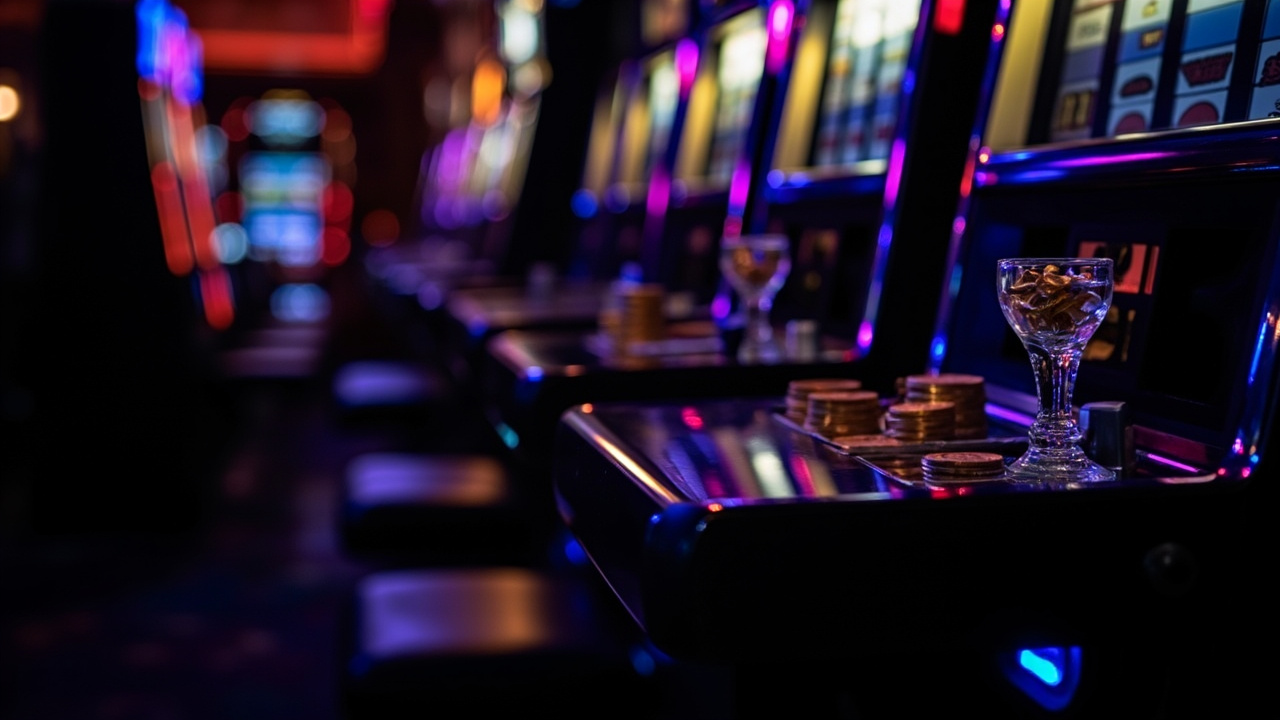
Hobart has always done things a little differently, and the local gaming floor leans into that temperament rather than fighting it. The result is a venue that feels less like a sensory assault and more like a measured evening out, which for plenty of Tasmanian adults beats the flashier alternatives on the mainland. Game mix matters more than marquee signage here, and the catalogue is curated around what regulars actually play rather than what looks loudest on a brochure.
Over eleven years running CRM campaigns for a major Australian gaming operator, I have watched loyalty data teach us that players stick around when the lobby feels edited, not exhaustive. Land based casino hobart takes a similar view. The slot library runs to roughly 380 titles across classic three-reelers, modern five-reel video slots, and a handful of linked progressives that pool across Tasmanian venues. Providers include Aristocrat, IGT, Ainsworth, Konami and Novomatic, which covers most of the cabinet styles Australian players have come to recognise. Denominations start at one cent per line and climb steadily, so it suits a casual punter on a Wednesday arvo the same way it suits a high-roller on a Saturday night.
Live tables are smaller than Sydney or Melbourne, but the rotation covers the essentials: blackjack, roulette, baccarat, and a single poker lounge that runs Texas Hold’em cash games most evenings. Electronic terminals fill the gaps, including rapid roulette and video poker banks that stay open when the live pit closes. The lobby is laid out by game family first, denomination second, and theme third, with overhead signage that reads clearly without shouting. Search is handled by attendants on the floor rather than a digital kiosk, and frankly that fits the venue’s tempo better than a touchscreen ever would.
Georgia Roberts, Digital Acquisition Director at Southern Capital Advisory, puts it bluntly when she compares city venues to regional ones. She notes that players walking into a property like this often prioritise atmosphere and table quality over headline jackpots, and that operators who misread that appetite tend to overinvest in machines nobody touches. It is a fair call, and it tracks with the segmentation work I have run in loyalty programmes across NSW and Victoria.
She adds that shifting even a small slice of that spend toward digital extensions, such as branded lobbies that link back to the main site and resources like https://plinko-online-au.com/, helps venues capture demand they would otherwise lose to online competitors. Operators who ignore that drift, she warns, tend to see foot traffic soften first and jackpots look appealing again only after the damage is done.
The standout feature is the rewards desk near the main entrance, which ties straight into a statewide loyalty programme rather than a closed-loop card. Points accrue from any machine or table session, convert across multiple venues, and unlock tiered perks ranging from discounted meals at the in-house restaurant to priority seating at the poker lounge. Tier review happens quarterly, which is more frequent than the industry norm and genuinely useful for regulars who want their play tracked accurately. Responsible gambling tools sit on the same card, including a single-tap limit change that locks in for 24 hours after activation.

What separates this floor from its bigger cousins is restraint. There are no flashing LED tunnels, no bass-heavy DJ booth thumping over the blackjack tables, and no roped-off VIP section designed to make the rest of the room feel like a holding pen. Sound levels stay conversational, the lighting favours warm tones, and seating is generous enough that you are not nudging strangers every time you stand up. In a market where venues compete aggressively for attention, that understated approach is a positioning choice, not a budget one.
Behind the scenes, the payments side is straightforward: EFTPOS at the cashier, cash on the floor, and chip exchange at the tables. There is no cryptocurrency accepted, no app-based wallet required, and no online onboarding flow because the venue is not chasing digital-first customers who have not already walked through the door. Registration for the loyalty card takes under two minutes at the desk, with standard identity checks handled in line with Tasmanian regulations.
A review from 2026 also notes that even the much-hyped expansion of wild scratch cards failed to make inroads here, since staff prefer the immediacy of cash and chip swaps. Patrons seem to appreciate the old-school rhythm, and management has little appetite to layer in extra rails that would only complicate a system that already runs smoothly.
Mobile coverage is intentionally minimal. There is no companion app, no QR-code ordering across the floor, and no push notifications nudging you back inside on a quiet Sunday. Support runs through floor staff and a small player services counter near the restaurants, which keeps the experience grounded rather than gamified. For anyone used to the relentless digital layer that modern venues bolt onto their loyalty programmes, that simplicity lands as relief rather than limitation.
If anything, the lesson here is that regional venues do not need to mimic their city competitors to earn a loyal following. Edit the catalogue, protect the table experience, treat loyalty as a quiet utility rather than a marketing channel, and let the building do the work. Hobart has bet on that formula, and from what I see in comparable loyalty data, it is a wager that pays steadily without ever needing to shout about it.